
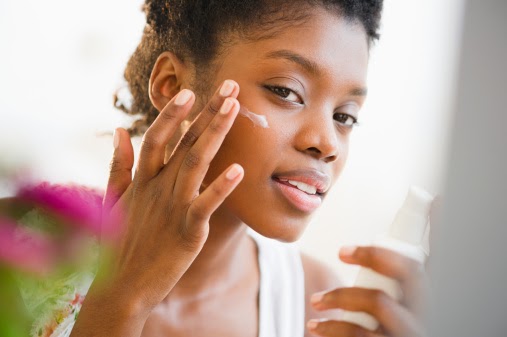
Most of you may already know that skin is the largest organ of the body. Not only so, it is the fastest growing organ. It has many roles in the maintenance of life and health. Although it seems that recently, some scientists and researchers states, that a newly discovered “organ”, called the interstitium (a kind of connective tissue under our skin which is found between other organs, may be the “new” largest organ in the body. Well, still in connection with out skin right?. Therefore, how many of you take the time to care for your skin and choose products that are good for it.
The skin has a multitudes of functions, with its primary function being to act as a barrier. More of the skin’s function are still coming to light. It is an organ of regulation, sensation and protection. Some of the basic day to day functions of healthy skin includes: Working as a barrier against water loss, as well as protecting against physical and chemical injury. It keeps vital chemicals and nutrients in the body while providing a barrier against dangerous substances. It helps us fight off bugs, allergens, toxins and carcinogens via the parts of our immune system that exist in our skin.
The skin also regulates our body’s temperature by dilating and constricting our blood vessels near the skin surface, controlling the transfer of heat out of the body. It also does so by evaporation and cooling due to sweat production via hairs on the surface of our skin. Heat loss is also affected by the insulating layer of subcutaneous fat. The skin also acts as a reservoir for the synthesis of Vitamin D, which is useful in preventing many diseases. The skin protect us from UV radiation by producing melanin. Although a sun screen is always recommended, especially for those with high sun sensitivity and or low melanin production.
The Importance of Maintaining a Healthy Skin
Healthy skin has many important roles and thus should be treated with care. Many people only start focusing on the skin once there is an abnormality or perceived problem. Most concerns include dryness, sensitivity, oiliness, congestion, wrinkles, sun damage and signs of aging. Although these are all within the spectrum of normal skin function, they may be considered problematic if severe or undesirable. Therefore, prevention is better and easier than correction, and ultimately less costly.
Healthy skin that is not exposed to excessive physical or environmental stressors may not require any specific care or protection. However, if the skin requires improvements, some basic actions can make a huge difference. Having a skin care routine that is consistent and effective while using the right products is important in maintaining long term healthy skin. As stated by the the dermatologists at Skin Center of South Miami ‘A good skin care routine is only as good as the products you use’
Natural and organic ingredients, yes are better for the skin. The surprising fact is, there are natural, organic ingredients that are bad for skin. Many cosmetic companies sell products with ingredients that aren’t really natural or contain natural ingredients that are problematic for skin. So know your ingredients, read your labels. If you don’t know or isn’t sure, do your research. The Environmental Working Group’s Skin Deep (EWG) Database is a good resource for understanding what’s in your products.
Skincare Products & Routines
Once you start a skincare routine, it is best to use that routine and products for at least two weeks consistently and sometimes longer, to see some results. Switching and changing products and routines is usually counterproductive and will prevent you from seeing expected improvement in time. A good skin care routine include:
- Cleanser: choosing a face cleanser formulated for your skin. If you have dry skin, you’ll want to choose a cleanser that doesn’t have drying ingredients such as alcohol. If you have oily skin, look for cleansers that are oil free or oil targeting dry skin, such as certain essential oils.
- Toner: Toner is used after washing your face, and it helps smooth and calm skin while restoring nutrients. Toners that are alcohol free regardless of skin type are best to use, as they are less irritating. Choose toners with natural herbal extracts, addressing your skin’s particular need.
- Moisturizer: Moisturizers should be used every time you wash your face, even if you have oily skin. If you have oily of skin, choose gel base, oil-free or products with light oils specific for your skin type and or concerns.
- Exfoliator: Exfoliators are optional and can be used after a cleanser but before a moisturizer. It should only be used on a once a week or twice a week basis.
- Clay or Gel Mask: A mask treatment can be incorporate into you routine on a monthly or by monthly basis to address specific issues.
The skin also makes up your scalp. Special care of your scalp is also important when it comes to your hair care routine. Although your hair works as a covering for your scalp and your clothing for the rest of your body, that doesn’t mean they do not required special care. The skin of the rest of your body also requires a good routine, such as using a cleanser, gently exfoliate using a a raw cane sugar or sea salt base product ( this can be done a few days a week depending on your skin’s need). And finally finish up with a rich Body Butter or Whole-body Creme or all over body oil right after shower while the skin is still damp to seal in moisture.
Oily Skin: Address the underlying causes of oily skin via ingredients that re-balance hydration while improving pores, leaving skin soothingly refreshed and shine free. Oily skin tend to break out more often due to the overproduction of oil which in turn easily attract dirt. Keeping up with cleaning and balancing your skins oil is of the essence. Below are some recommendation of our products for oily skin